
Laparoscopic Procedures
What is Laparoscopic Procedures?
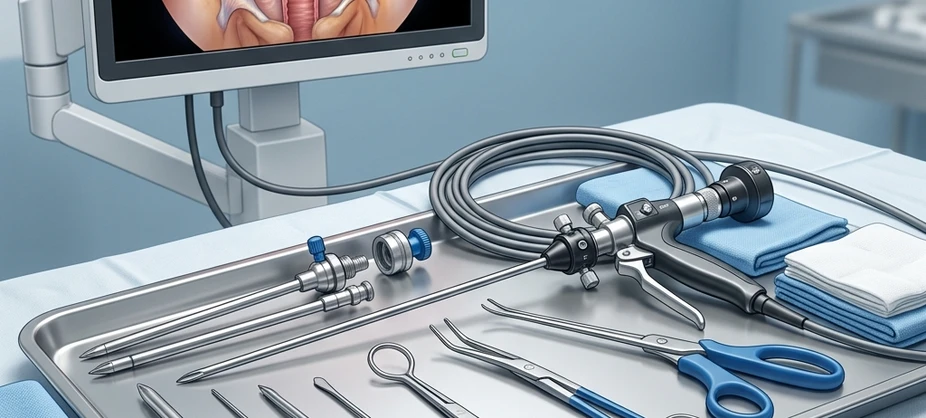
Laparoscopy (Keyhole Surgery) is the modern clinical standard for pelvic and gynecological surgeries. By using specialized instruments and a high-definition camera system inserted through tiny incisions, it allows gynecologists to perform complex surgeries with absolute precision, avoiding large abdominal cuts, reducing postoperative pain, and accelerating recovery.
At June Women's Health, recognized as a premier center for gynecological wellness and family planning in Sushant Golf City and Lucknow, Lucknow, we perform advanced gynecological laparoscopy. Dr. Shamim Sultana Yashine brings over a decade of clinical and surgical expertise to treat ovarian cysts, fibroids, endometriosis, and conduct diagnostic checks for fertility in sterile, state-of-the-art operating suites.
Because we run a focused, single-doctor private clinic rather than a busy corporate hospital, your surgical planning and counseling are conducted personally by Dr. Shamim Sultana Yashine. We operate by prior appointments to ensure that every patient receives absolute privacy, meticulous attention, and clinical accuracy in a highly sterilized clinical environment.
Laparoscopic vs. Traditional Open Surgery Comparison
Whenever medically feasible, Dr. Shamim Sultana Yashine prioritizes minimally invasive keyhole procedures over open surgery to secure faster healing and fewer clinical risks.
Laparoscopic (Keyhole) Surgery
Minimally Invasive. Fast Recovery.
Tiny keyhole cuts measuring 0.5 cm to 1 cm in size.
Daycare procedure or brief inpatient stay (usually under 24 hours).
Significantly lower pain level; minimal muscle or tissue disruption.
Minimal, dot-like scars that fade and become barely visible over time.
Return to light household activities and office work within 1 to 2 weeks.
Traditional Open Surgery
Invasive Approach. Longer Healing.
Requires a large 10 cm to 15 cm incision across the lower abdomen.
Requires 3 to 5 days of inpatient admission for pain monitoring.
Higher pain levels; requires intravenous analgesics and muscle relaxants.
Leaves a permanent, prominent linear scar across the abdominal wall.
Requires 4 to 6 weeks of resting for muscle layer healing and strength.
Gynecological Conditions Treated via Laparoscopy
This minimally invasive technique is highly versatile, providing both diagnostic visualization and therapeutic surgical solutions.
Ovarian Cysts (Cystectomy)
Safely removing ovarian cysts (benign, dermoid, or endometriotic) using precision microscopic tools to preserve healthy ovarian tissues and safeguard your fertility pathway.
Uterine Fibroids (Myomectomy)
Extracting symptomatic uterine fibroids causing pelvic pressure or heavy bleeding through tiny keyhole incisions, restoring uterine wall integrity before pregnancy.
Endometriosis Excision
Identifying and carefully vaporizing or excising painful endometrial tissue implants in the pelvic cavity to treat chronic menstrual soreness and enhance natural conception.
Diagnostic Fertility Check
Conducting diagnostic laparoscopy with a blue dye test (chromotubation) to visually audit the fallopian tubes, pelvic peritoneum, and ovaries for unexplained infertility.
Our Pre-Surgery Preparation & Safe Guidelines
Proper pre-operative alignment guarantees a smooth surgical process and lays the groundwork for rapid post-operative healing.
Pre-Surgical Lab Profile
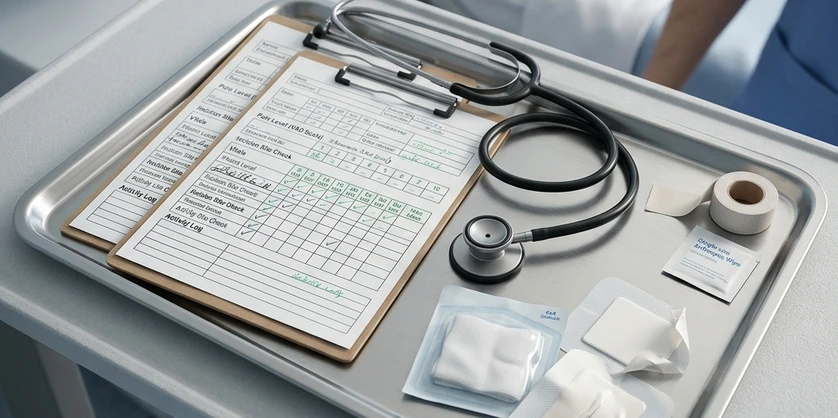
Completing mandatory blood profiles, clotting screens, viral tests, and an ECG checkup to confirm physical fitness for general anesthesia.
Fasting & Bowel Preparation
Adhering to strict fasting (no food or liquids) for 6–8 hours prior to surgery, along with gentle clinical bowel clearing to ensure safe abdominal viewing.
Post-Op Rest & Ambulation
Resting for 3 to 7 days, maintaining clean keyhole dressings, and engaging in early light walking to dissipate trapped carbon dioxide gas quickly.
The Surgical Keyhole Journey
Understanding the stages of keyhole surgery helps alleviate patient anxiety. We ensure complete clinical accuracy at every step.
Every treatment and procedure at our clinic is performed with the highest standards of safety, compassion, and expertise. Dr. Shamim Sultana Yashine ensures each step of your journey is carefully monitored and optimized for the best possible outcomes.
Expert Guidance
From your initial consultation through recovery, our dedicated team is here to support you with personalized care, ensuring your comfort and peace of mind at every stage.
Step 1: Anesthesia & Tiny Port Entry
Under general anesthesia, the patient is completely asleep. A tiny 5-10mm keyhole incision is made, usually hidden inside the belly button.
Step 2: Carbon Dioxide Gas Insufflation
Carbon dioxide is gently introduced to inflate the abdomen. This lifts the abdominal wall, creating a spacious, safe viewing area for the instruments.
Step 3: HD Camera & Scope Insertion
A laparoscope (a thin lighted rod with a high-definition video camera) is inserted, transmitting magnified, crystal-clear pelvic structures onto large monitors.
Step 4: Specialized Repair & Port Closure
Through 1-2 additional tiny side incisions, specialized instruments are used to remove cysts or repair tissues, followed by gas release and dissolvable stitches.
Why Choose June Women's Health for Laparoscopic Procedures?
Google Rating
Based on 9 Reviews
- Senior Minimally Invasive SurgeonOver 10+ years of dedicated surgical experience successfully performing laparoscopic cystectomies, myomectomies, and tubal procedures.
- Coordinated Advanced Hospital TheatresDr. Shamim Sultana Yashine coordinates all surgical operations in leading tertiary centers with state-of-the-art high-definition laparoscopy towers and specialized instruments.
- Prior-Appointment Private ConsultationWe maintain a single-doctor practice. Your surgical planning and post-op checkups are conducted strictly by prior appointment, ensuring absolute confidentiality and zero crowding.
Google Rating
Based on 9 Reviews
Frequently Asked Questions
Laparoscopic surgery (keyhole surgery) is a minimally invasive surgical technique that uses small abdominal incisions (5-10mm) and a camera. Advantages include significantly less pain, minimal scarring, lower infection rates, and much faster recovery compared to traditional open surgery.
Laparoscopy is commonly used to treat ovarian cysts (cystectomy), uterine fibroids (myomectomy), endometriosis, ectopic pregnancy, pelvic adhesions, diagnostic infertility checks, and hysterectomy.
We maintain clear pricing transparency. A diagnostic laparoscopy and dye test ranges from ₹25,000 to ₹40,000. Operative laparoscopic procedures (such as keyhole ovarian cystectomy, myomectomy, or endometriosis excision) typically range from ₹60,000 to ₹1,20,000 depending on case complexity, hospital category, and the duration of stay required.
During the procedure, carbon dioxide (CO2) gas is used to inflate the abdomen. Small amounts of trapped gas can irritate the diaphragmatic nerve, which shares pathway pathways with the shoulder. This pain is harmless and subsides in 24-48 hours.
Most patients go home the same day or the next morning. Initial recovery takes 3 to 7 days, and you can generally resume light work within a week. Full internal tissue healing occurs in about 2 to 3 weeks.
Dr. Shamim Sultana Yashine's Women's Clinic operates strictly by prior appointment during dedicated morning and evening timings. This is a private, single-doctor clinical setup designed to provide unhurried consultations and maintain a highly sterilized clinical environment, rather than a 24/7 emergency walk-in model. Contact us directly to book a consult.