
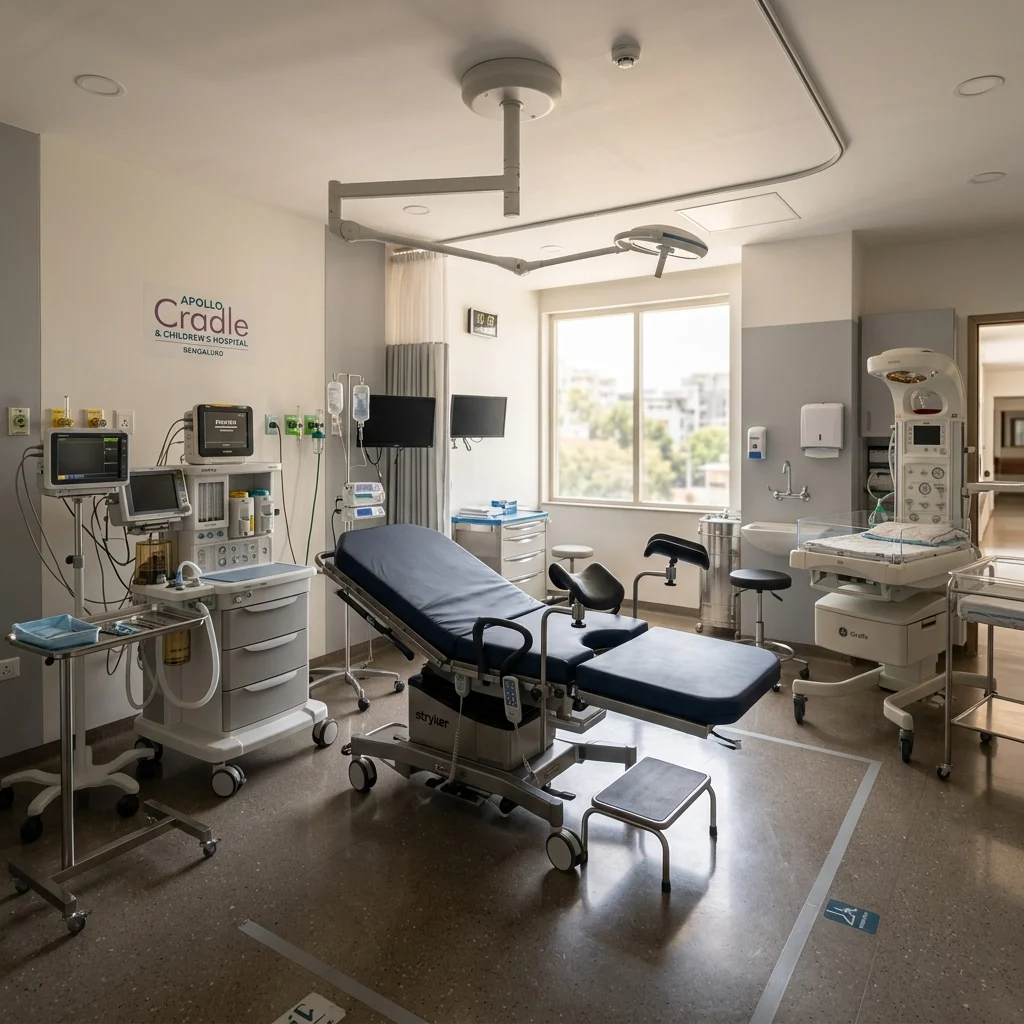
High Risk Pregnancy Care
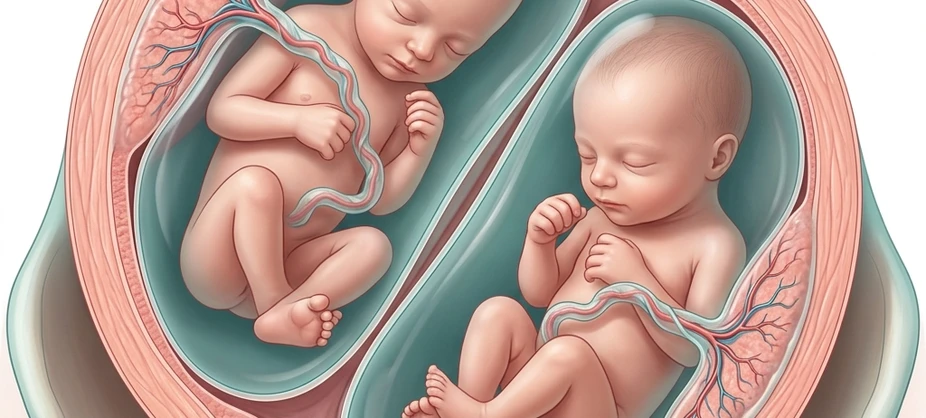
What is High Risk Pregnancy Management?
High Risk Pregnancy Management involves specialized clinical monitoring, diagnostic screenings, and therapeutic protocols tailored to manage maternal or fetal complications during gestation. Pre-existing health conditions like diabetes and high blood pressure, or pregnancy-related conditions like gestational diabetes, preeclampsia, and twin pregnancies, require meticulous care to protect both mother and child.
At June Women's Health, the leading center for comprehensive obstetrics and hormonal care in Sushant Golf City and Lucknow, Lucknow, we provide expert high-risk pregnancy protocols. Dr. Shamim Sultana Yashine brings over a decade of clinical experience in managing complicated pregnancies, providing patient-centric, evidence-based care to guide couples safely to parenthood.
Our clinic is run single-handedly by Dr. Shamim Sultana Yashine, guaranteeing that you receive direct, personal medical supervision at every consultation without delegation. We coordinate checkups strictly by prior appointment during dedicated morning and evening timings, maintaining a quiet, highly sterilized environment and ensuring zero waiting room delays.
Routine vs. High-Risk Pregnancy Care Comparison
A high-risk pregnancy classification simply means that your pregnancy requires extra monitoring, specialized scans, and customized safety paths.
Routine Care (Low-Risk)
Standard Monitoring. Fetal Milestones.
Routine prenatal checkups, standard weight, and vital tracking.
Standard 3 to 4 major scans: dating, NT, anomaly, and late growth check.
Once a month up to week 28, bi-weekly up to week 36, then weekly.
Aims for a normal vaginal delivery with natural labor exercises.
Routine 6-week recovery check and newborn breastfeeding coaching.
High-Risk Pregnancy Care
Advanced Surveillance. Co-morbidities.
Vigilant mapping of blood pressure, blood glucose, fetal Doppler, and cervical lengths.
Frequent growth and umbilical artery Doppler scans to check baby blood flows.
More frequent visits; weekly or bi-weekly starting much earlier in gestation.
Planned labor induction or C-section at equipped tertiary hospitals.
Specialized surgical wound checks, metabolic tracking, or BP control.
High-Risk Conditions We Manage
Our clinical protocol provides dedicated surveillance and personalized therapies to protect mothers facing the following high-risk factors.
Gestational Diabetes Control
Aggressive blood glucose mapping, customized diabetic diet planning, physical activity regimes, and medication/insulin support to prevent macrosomia (oversized baby).
Gestational Hypertension & Preeclampsia
Strict surveillance of rising maternal blood pressure, urine protein screenings, and safe pregnancy-compatible medications to prevent placental abruption.
Multiple Gestations (Twins/Triplets)
Specialized nutritional support, frequent ultrasound monitoring of inter-twin weights, amniotic fluid audits, and pre-term labor prevention protocols.
Recurrent Pregnancy Loss & Past LSCS
Managing pregnancies with a history of recurrent miscarriages, cervical incompetence (offering cerclage), or planning VBAC (Vaginal Birth After Caesarean) vs. repeat LSCS.
Our Pre-Procedure Preparation & Safe Guidelines
Managing a high-risk pregnancy successfully requires structured clinical scheduling, home vitals logs, and advanced fetal scans.
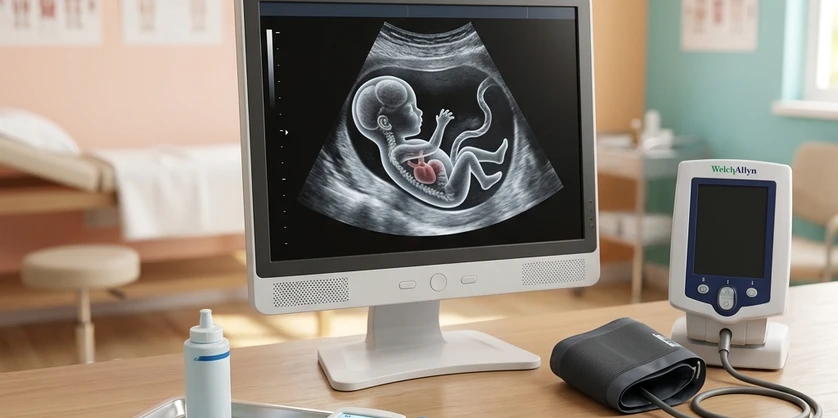
Self-Monitoring Log Integration
Consistent home charting of blood pressure (BP) levels or daily capillary blood glucose (glucometer checkups) to build a detailed log for review.
Doppler & Fetal Surveillance Plan
Scheduling routine growth scans, cervical length assessments, and umbilical artery Doppler flows to track oxygen and nutrient delivery to the baby.
Hospital Admission Coordination
Pre-planning hospital admissions at our fully equipped partner facilities, coordinating neonatologists (NICU team), and setting up delivery protocols.
Our High-Risk Management Protocol
We follow a rigorous, step-by-step surveillance protocol to preempt complications, support fetal growth, and coordinate deliveries safely.
Every treatment and procedure at our clinic is performed with the highest standards of safety, compassion, and expertise. Dr. Shamim Sultana Yashine ensures each step of your journey is carefully monitored and optimized for the best possible outcomes.
Expert Guidance
From your initial consultation through recovery, our dedicated team is here to support you with personalized care, ensuring your comfort and peace of mind at every stage.
Step 1: Early Risk Profiling & Screening
A detailed medical history review, baseline laboratory screens, and early ultrasound check at the first consult with Dr. Shamim Sultana Yashine to catalog high-risk variables.
Step 2: Placental & Fetal Surveillance
Scheduling frequent high-resolution target scans and Doppler flow checks to verify that the placenta is functioning properly and baby growth is normal.
Step 3: Therapeutic Stabilization
Prescribing safe medications to keep blood pressure stable, managing gestational sugars, and conducting Cardiotocography (CTG) checks to rule out fetal distress.
Step 4: Planned Hospitalization & Safe Delivery
Determining the optimal delivery timeline (weeks 37-39) to protect both mother and child. Coordinated deliveries are personally conducted by Dr. Shamim Sultana Yashine at affiliated hospitals.
Why Choose June Women's Health for High Risk Pregnancy Care?
Google Rating
Based on 9 Reviews
- Continuity & Direct Access to the SpecialistYou consult Dr. Shamim Sultana Yashine personally at every visit. Registered high-risk mothers get direct contact lines for timely clinical guidance, avoiding delays.
- Dedicated Prior-Appointment ScheduleWe coordinate consultations strictly by prior appointment during dedicated hours. This keeps wait times short and limits exposure in a highly sterilized lobby.
- NICU & Multi-Specialty Support NetworkWhile outpatient diagnostics occur in our clinic, complex hospital stays and deliveries are conducted at leading fully-equipped tertiary care hospitals in Lucknow.
Google Rating
Based on 9 Reviews
Frequently Asked Questions
A pregnancy is defined as high-risk if maternal or fetal conditions threaten health safety. Risk factors include pre-existing illnesses (diabetes, high BP, thyroid disorders), pregnancy-induced complications (gestational diabetes, preeclampsia, placenta previa), twin/multiple pregnancies, advanced maternal age (over 35), or past miscarriages. Management involves more frequent checkups, targeted scans, sugar/BP logs, and close fetal surveillance.
Yes, absolutely! Having a high-risk classification does not mean a C-section (LSCS) is mandatory. Under Dr. Shamim Sultana Yashine's meticulous clinical supervision, many patients with gestational diabetes, controlled hypertension, or twin pregnancies deliver via a healthy, safe normal vaginal birth.
At Dr. Shamim Sultana Yashine's Women's Clinic, we practice complete transparency. A high-risk pregnancy consultation is ₹600. Detailed growth and umbilical artery Doppler scans range from ₹2,500 to ₹4,500. Fetal Cardiotocography (CTG) monitoring is ₹800 per session. Delivery packages at our affiliated hospital partners in Lucknow typically range from ₹35,000 to ₹55,000 for a normal vaginal delivery, and ₹50,000 to ₹75,000 for a Caesarean section (LSCS) depending on room choices.
You must seek immediate clinical help if you experience vaginal bleeding or spotting, sudden leakage of amniotic fluid, persistent severe headaches accompanied by blurred vision, sudden swelling of the hands or face (signs of preeclampsia), severe abdominal cramping, or a noticeable decrease in baby movement counts after week 28.
Gestational diabetes is managed through a customized diabetic diet chart, routine pelvic exercise plans, self-monitoring of blood sugar levels using a home glucometer, and safe oral medications or insulin therapy if dietary measures alone are insufficient to maintain target sugar ranges.
Dr. Shamim Sultana Yashine's Women's Clinic operates strictly by prior appointment during dedicated morning and evening hours to provide a quiet, highly sterilized, and unhurried clinical experience. We are not a 24/7 walk-in emergency hospital. For planned deliveries and active labor, patients are admitted directly to our affiliated tertiary care hospital facilities in Lucknow, where Dr. Shamim Sultana Yashine personally conducts the delivery.