
Cancer Screening
What is Cancer Screening?
Gynecological Cancer Screening is a vital, life-saving component of proactive female preventive healthcare. Many reproductive tract cancers, specifically cervical and ovarian cancers, develop slowly over several years. During these early, pre-malignant phases, they run silently without producing visible symptoms or physical pain, meaning that routine clinical screening is the only way to detect and resolve them.
At June Women's Health, the leading preventive care and family wellness clinic in Sushant Golf City and Lucknow, Lucknow, we emphasize stress-free, highly comfortable diagnostic screenings. Dr. Shamim Sultana Yashine provides gentle Pap smears, HPV DNA molecular tests, and clinical breast examinations in a supportive and private space.
Our clinic is run single-handedly by Dr. Shamim Sultana Yashine, ensuring that you receive direct, personal, and highly confidential medical evaluations. All screenings are scheduled strictly by prior appointment during dedicated hours. This maintains a quiet, highly sterilized environment that eliminates waiting room crowds and protects your privacy.
Pap Smear vs. HPV DNA Test
While both tests utilize a simple, quick cervical swab during your pelvic examination, they analyze completely different markers to protect your health.
Pap Smear (Cytology)
Cellular Changes. Regular Check.
Detecting abnormal, dysplastic, or pre-cancerous changes in cervical cells.
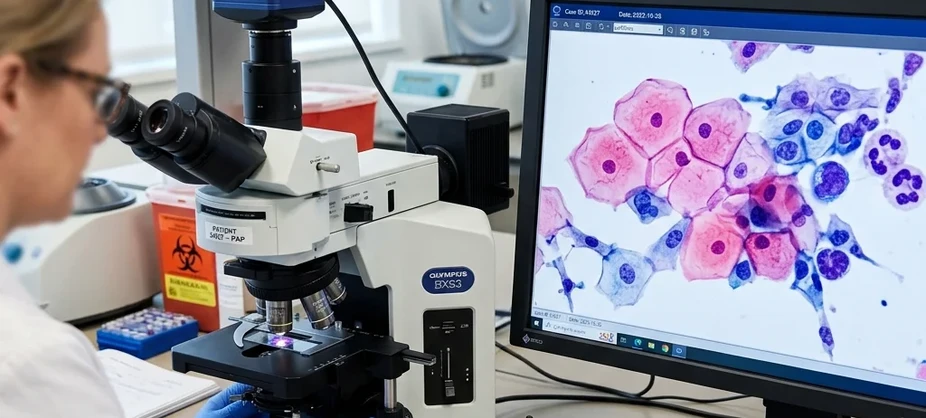
Swabbing cells from the cervix and viewing them under a laboratory microscope.
Recommended once every 3 years for women starting from age 21.
High reliability for active cell changes; best when combined as co-testing.
Checks cell structure to capture mutations before they turn into cancer.
HPV DNA Test (Molecular)
Viral Identification. High Sensitivity.
Detecting high-risk strains of Human Papillomavirus linked to cervical cancer.
Molecular testing on cervical fluid to isolate and detect high-risk viral DNA.
Recommended once every 5 years for women starting from age 30.
Extremely high sensitivity; flags the viral infection before it damages cells.
Detects high-risk viral strains, identifying cancer risk at the molecular root.
Screening Services We Provide
Our clinic offers a comprehensive range of preventative gynecological and breast health screening evaluations.
Liquid-Based Cytology (Pap Smear)
A painless in-clinic swab test that collects cervical cells to detect early pre-cancerous or dysplastic cellular mutations.
HPV DNA Molecular Testing
Highly sensitive molecular diagnostic tests that check cervical fluid for high-risk HPV strains linked to cervical malignancies.
Clinical Breast Examination
Professional check for breast lumps, texture anomalies, or node changes, along with training on self-breast exams.
Pelvic & Endometrial Ultrasound
High-resolution ultrasound scans to evaluate the ovaries and endometrial lining thickness for early structural anomalies.
Our Pre-Procedure Preparation & Safe Guidelines
Adhering to proper clinical timing and scheduling guidelines is vital to collect clear cervical samples and guarantee test accuracy.

Timing Your Screening
Schedule your screening session 10 to 20 days after the first day of your period to ensure clear cervical cell collection and accuracy.
Avoid Intimate Products
Do not use vaginal douches, contraceptive creams, vaginal suppositories, or insertive products for 48 hours prior to your Pap swab.
No Intercourse Prior
Refrain from sexual intercourse for 24 to 48 hours before the test to avoid cytological cell masking or altered test quality.
The Cervical & Breast Screening Process
We make the screening process stress-free and gentle. It is completed quickly during a routine, private pelvic examination.
Every treatment and procedure at our clinic is performed with the highest standards of safety, compassion, and expertise. Dr. Shamim Sultana Yashine ensures each step of your journey is carefully monitored and optimized for the best possible outcomes.
Expert Guidance
From your initial consultation through recovery, our dedicated team is here to support you with personalized care, ensuring your comfort and peace of mind at every stage.
Step 1: Confidential Consult & Risk Map
A private discussion with Dr. Shamim Sultana Yashine to review personal and family medical history, age-related factors, and map your screening timeline.
Step 2: Gentle Specimen Swab
While resting comfortably, Dr. Shamim Sultana Yashine uses a soft cytobrush to collect a clean sample from the cervix in a quick, painless step taking under a minute.
Step 3: Pathological DNA Profiling
The specimen is processed using liquid-based cytology or molecular DNA profiling at high-precision accredited lab partners.
Step 4: Report Review & HPV Vaccine Plan
Dr. Shamim Sultana Yashine explains your results. Routine follow-ups are planned for normal results, and we guide you through Gardasil vaccine scheduling.
Why Choose June Women's Health for Cancer Screening?
Google Rating
Based on 9 Reviews
- Painless, Gentle Cytology SwabsDr. Shamim Sultana Yashine communicates gently during every step of the Pap smear, minimizing discomfort and physical anxiety.
- High-Precision Accredited LabsWe partner with premium NABL-accredited diagnostic labs to ensure accuracy in liquid-based cytology and high-risk HPV DNA testing.
- Dedicated Appointment StructureAll screenings are scheduled strictly by appointment, keeping the environment private, clean, and completely free of waiting room stress.
Google Rating
Based on 9 Reviews
Frequently Asked Questions
Regular screening is essential because many reproductive tract cancers, specifically cervical and endometrial, develop silently without any visible symptoms. Screenings like Pap smears and HPV DNA tests can identify cellular changes or viral infections years before cancer develops, making prevention and treatment highly successful.
We believe in complete transparency. A preventative pelvic health consultation with Dr. Shamim Sultana Yashine is ₹600. A liquid-based Pap smear (cytology test) ranges from ₹1,200 to ₹1,800. A high-risk HPV DNA molecular test ranges from ₹2,000 to ₹3,500. A comprehensive cervical screening profile (Co-testing: Pap smear + HPV DNA) ranges from ₹3,000 to ₹4,800. A pelvic screening ultrasound to evaluate uterus and ovaries is ₹1,500 to ₹2,500.
A Pap smear checks for abnormal or pre-cancerous cell mutations on the cervix. The HPV DNA test is a molecular check that looks specifically for the presence of high-risk strains of Human Papillomavirus (HPV), which are the primary cause of cervical cancer, before any cellular abnormalities develop.
Women should begin cervical Pap screening at age 21, repeating it every 3 years. From age 30, co-testing with an HPV DNA test every 5 years is recommended. Clinical breast examinations should start in your late 20s or early 30s, and routine mammograms are advised starting at age 40, or earlier if you have a strong family history.
Yes, absolutely. Cervical cancer is one of the most preventable cancers. Regular Pap and HPV DNA screenings catch cell changes early, and the HPV vaccine (Gardasil, administered ideally between ages 9 and 26) provides robust immunity against the viral strains responsible for over 90% of cervical cancers.
An abnormal result does not mean you have cancer. It simply indicates that unusual cell changes were found. Dr. Shamim Sultana Yashine will evaluate the findings and may recommend co-testing, a repeat swab, or a colposcopy (a specialized magnification test to inspect the cervix in detail).